
What journalism can teach us about writing impact stories
Your research might have done some magic in the world, but your impact stories shouldn’t hold your “ta-da” moment till the end.
Article 1/3
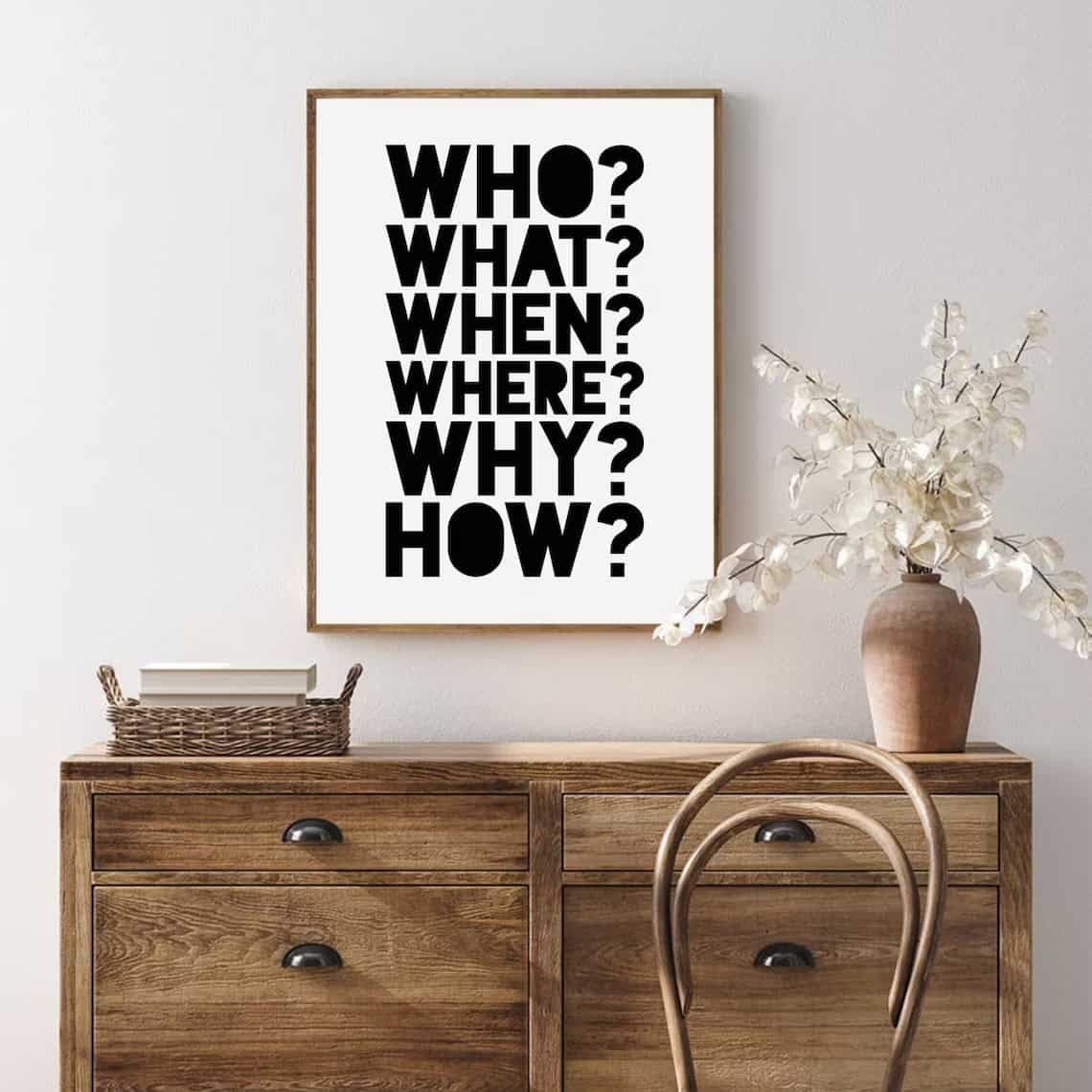
Every journalism student learns the same thing in their first week: the 5 Ws. Who, what, when, where, why. (There’s also a bonus ‘H’: how.) It’s the foundation of news writing, because it forces you to answer the reader’s most basic question first: Why should I care?
Impact stories are better when they apply the same discipline.
At Shared Science, we wrote and edited over 70 impact case studies in 2025. We’ve produced stories for research organisations, funders and National Science Challenges for nearly a decade. That means we read impact stories with an editor’s eye, as if we were Anna Wintour scouring the September issue for floral prints.
Here’s what we often see. The story starts with scene-setting the original context and the problem the research set out to solve. Then it gets into the details: who was involved, what methods they used. Then the findings. Then, somewhere near the end, the actual impact.
This is what journalists call ‘burying the lede’ – taking too long to get to the most interesting part.
The structure makes sense if you’re writing a journal article. But an impact story isn’t a journal article. It has a different audience, a different purpose, and it needs a different structure.
(It also requires different skills; we advise that a professional writer holds the pen and sets the structure, with scientists correcting facts and ensuring proper attribution – more on that, later in this series. But we know that’s not always in the budget, especially this year, so the three articles in this series are for you, the scientist holding the pen and the short straw.)
Introducing the inverted pyramid
In journalism, the most important information goes first. It’s called the inverted pyramid, and it exists because ye olde typesetters needed to cut stories from the bottom up to fit them on the physical newspaper page. What made it into print had to contain all the essential information.
The 5 Ws map onto an impact story like this:
Who, what, when, where: Who benefited from the science? What changed? When and where did it happen? These should form your opening paragraphs, and guide your headline.
Why: This is the problem. Why was this work needed? What wasn’t working before? This should come next.
How: How did the project address the problem? This is where you describe the research with the chronological approach you are familiar with, ending with any expected next steps.
In shorthand: Impact → Problem → Solution.
It’s the opposite of the academic convention (Background → Methods → Results → Discussion), and it may feel counterintuitive if you’re used to writing in that mode. But it makes impact stories more readable, because it respects the way most people prefer to engage with information.
Example: Two versions of the same story
Here’s a real example: an impact story about Our Land and Water-funded research that led to the creation of a new digital tool, FarmAPT:
The academic approach might start like this:
A dairy typology framework that incorporates climate, slope, soil/drainage, and wetness was developed by Our Land and Water’s Sources & Flows and DairyNZ’s Healthy Waterways research programmes. DairyNZ then identified an opportunity to prioritise mitigation actions based on these geophysical characteristics. In 2020 the research team built the Farm Action Prioritisation Tool (FarmAPT), an online geospatial tool that links farmers to the most relevant mitigation options for their farm by weighting the effectiveness and cost-effectiveness of a range of evidence-backed actions for reducing nitrogen, phosphorus, sediment, and E. coli.
It’s the story of the project, told in the order the project happened. A reader has to get through a lot of information and it’s still not clear what difference any of it made.
The journalism approach uses the 5 Ws to lead with impact:
Milk company Open Country Dairy is connecting the Farm Action Prioritisation Tool (FarmAPT) with over 1000 dairy farmer suppliers, supporting them to identify and prioritise mitigation actions for water quality improvement for inclusion in farm environment plans (FEPs). The wizard has been used to complete FEPs for 371 dairy farmers to address freshwater issues in their catchments, and a further 630 FEPs are in progress.
The reader knows within the first sentence what this research achieved and for whom, and the wider context and collaborators can come later.
Why this helps impact reporting
Impact stories have very specific purposes. They need to justify the use of public funds to government and funding decision-makers, and demonstrate the value of co-investment in the research to stakeholders. (A nice co-benefit is that they provide everyone involved with useful content for future funding proposals, social media and other comms.)
The target audience for impact stories – funders, policymakers, senior leaders, Ministers – are therefore always people in busy senior roles. Unless they are specifically in charge of assessing your impact reporting, you’re competing for their attention with everything else that’s on their mind and in their inbox.
Leading with impact means a reader gleans the most important information even from a quick scan. It makes your impact reporting more effective because the value of the research is front and centre, not buried beneath the methodology.
Dare we suggest that impact stories don’t necessarily need to report successes? They’re often written with the next funding round in mind, which means failures and less-than-expected success rarely get reported – even though these stories would provide genuinely useful information for funders, and could be told in compelling ways. But the current framework doesn’t incentivise it, and right now it would be a brave research organisation that reported a failure (although if you’re keen to try it, we’d be happy to help!).
Even when reporting successes, including challenges and unexpected outcomes can make for a more interesting story, and one that provides useful insights to fellow researchers and research funders.
An exercise to check your structure
If you’ve already written an impact case study, try this: read your last paragraph and your first paragraph. If the last one is more compelling, you might have your story back to front.
Now take the impact – the real-world change or benefit – and move it to the top. Follow it with the context (why this was needed), and then explain how the research made it happen.
It’s a structural edit, not a rewrite, and it can make your story much more readable and interesting.
This is the first in a series of three articles about writing more effective impact stories. Next up: how to be compelling without overclaiming – and why checking with the people who are using your research might be the single most useful thing you can do.

Author: Annabel McAleer
I’m a giant nerd when it comes to turning research into real-world benefits. My specialty is translating complex scientific information into actionable insights that make a difference.
Author
Summary
- Lead with the impact, then the problem it solved, then how the research got there – not the academic approach of background, methods, results.
- Readers of impact stories are busy senior people (funders, policymakers, Ministers), so leading with the outcome means they get the key point even on a quick skim.
- Self-check: read your first and last paragraph. If the last one’s more compelling, your structure might be back to front.
Enjoying our content?
Get it straight to your inbox